
A thousand years ago, rebels fled north out of Byercet.
They had grievances. They had names for those grievances, once—old injustices, broken promises, the accumulated weight of a throne that had grown careless with its subjects. By the time the column crossed into the Orclands, those names had burned down to something simpler. They were not revolutionaries anymore. They had become something else altogether.
I have found, in the course of compiling this record, that most founding myths follow the same arc—the noble cause quietly replaced by the simpler one, and the simpler one quietly dressed up again once the walls are built.
They followed two men. Jasen Amitath commanded the army. Fyodor Ibakos told it where to go. Ibakos was Arkani—one of the folk mages Byercet had spent generations hunting, on the grounds that magics were divinely bestowed upon the Hooded Drogynor alone.
That the rebels produced capable mages from their own ranks, and refused to surrender them, was among the central provocations of the conflict. Ibakos was the most capable of them. His visions were consistent: not here, not yet, further north, past the Orclands, into the desert, past the edge of everything familiar. Armies do not typically follow prophets into trackless desert. This one did. That fact alone tells you something about the state they were in. Others might say it tells you more about the magnetism of Ibakos.
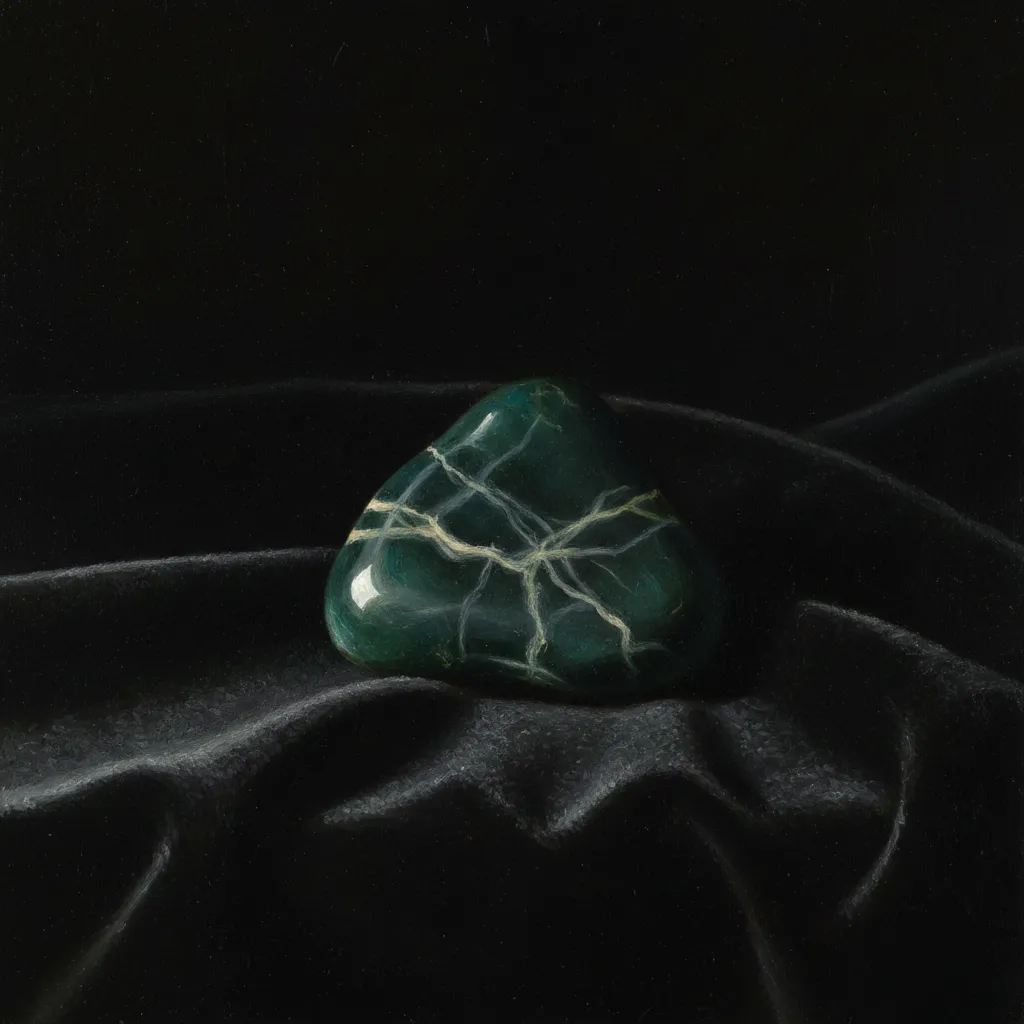
What they carried out of the Orclands came in time to be called the Throne Stone. How they came by it is a matter the histories of Pax and the oral traditions of the orcs—before their annihilation—resolve very differently. The Paxic account speaks of a gift, freely given, a blessing from chieftains who recognised something worthy in Amitath’s march. The orcs spoke of theft. Of hospitality repaid with treachery. Of a relic taken in the night by people who did not understand what they were taking, or did not care.
I have read both accounts. I do not think the truth flatters Pax.
The column reached the desert. They made camp where nothing had ever lived, in the white silence of sand and wind, and they began to build. The histories do not speak of quarries or architects or the years such work demands. They speak only of the towers—black spires rising from the earth as though the ground were remembering something long buried, climbing toward the sky without the noise of construction, without labourers in the accounts, without explanation. By the time they stopped growing they stood as a dark crown against the pale desert sky.
A thousand years later, no one has determined what the towers are made of. The material does not chip or weather or hold heat or cold. It cannot be carved. The towers stand as they stood on the first morning Jasen Amitath found them looming over his camp—indifferent, unexplained, apparently permanent. Pax was built in their shadow and has spent a millennium learning to live with mysteries it cannot solve.
The kingdom should not have survived its first century. A rebel state, carved from nothing, with an empire snapping at its heels. Byercet came for them. Byercet kept coming. A thousand years of war, fought across deserts and mountain passes, through sieges and long uneasy intervals that were silence rather than peace.
The towers still stand. The Orclands do not.
This requires acknowledgement, though Pax does not often offer it. The Orclands were the battlefield. Their territories burned across countless campaigns. Their people scattered, dwindled, and after five centuries had ceased to appear in the records at all. Their former lands are known as the Wastelands now. The name preserves nothing of what was there before. Two human kingdoms ground it between them, and the orcs—who had given or been robbed of the stone at the founding—paid the final cost.
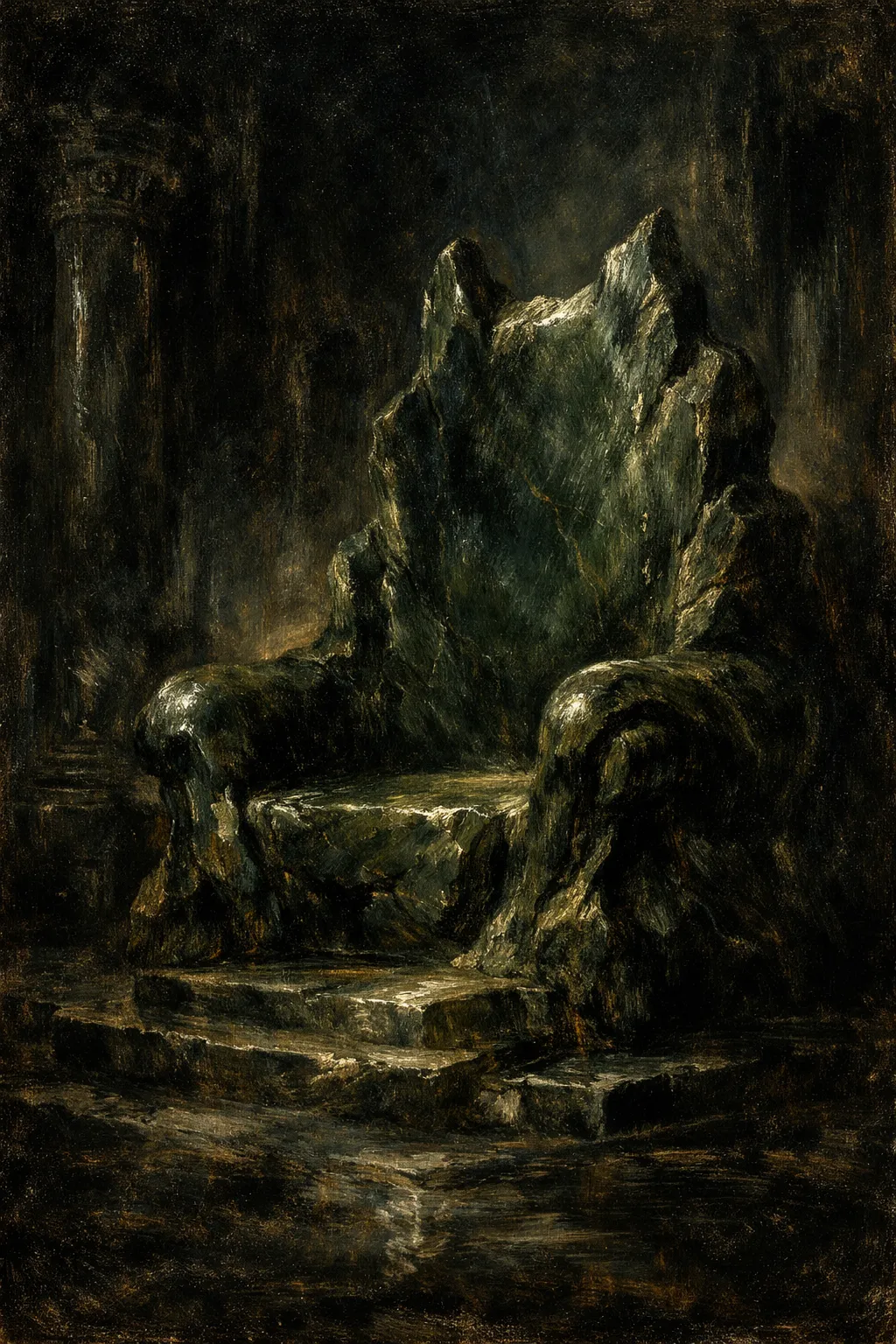
It is a kingdom built on unresolved questions. The stone that grew into a throne, the towers looming over the city, the prophet whose visions led a broken army into the desert and were somehow, improbably, vindicated. The Paxic people have not answered these questions. They have built a civilisation around them instead.
I have begun with Pax. There is much still to record.
— The Chronicler